
Research and Data Analysis
Latest News
 Children’s Long-Term Inpatient Program: Patient Characteristics and Outcomes
The Children’s Long-Term Inpatient Program (CLIP) is Washington State’s most intensive inpatient psychiatric treatment program for patients ages 5 through 17. This report describes the characteristics of children and youth discharged from CLIP in state fiscal years 2013 through 2018, compares these patients’ characteristics to those in the broader population of children and youth enrolled in Apple Health, and documents short- and long-term outcomes for CLIP patients. Results show that CLIP patients have extremely high needs at baseline, and that admission to CLIP appears to help stabilize this population during the episode of care. Nevertheless, most CLIP patients in the study population experienced an acute BH crisis event within the year following discharge and 5-year outcomes indicate substantial long-term challenges. Policy recommendations are discussed.
 Health Service Utilization Among Apple Health Clients by Housing Status
Homelessness has a complex and reciprocal relationship with health. Poor health contributes to the risk of experiencing homelessness, and homelessness can contribute to the onset of new—or exacerbate existing—medical conditions, leading to high rates of emergency medical service use, hospitalizations, and mortality. In this report, we compare health service utilization patterns of Apple Health clients who became homeless in 2022 (“newly homeless”) to housed clients and individuals who experienced homelessness both before and during 2022 (“previously homeless”). Clients who experienced homelessness had higher rates of physical and behavioral health conditions and accessed health services more frequently than housed clients. Health service use for newly homeless clients increased around the time they became homeless before declining and stabilizing at higher levels than the 2 years before they became homeless.
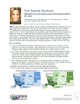 First Episode Psychosis: Estimating Annual Incidence Using Administrative Data in SFY 2023
This report presents estimated incidence rates of first episode psychosis (FEP) among the Washington Medicaid population in state fiscal year (SFY) 2023. Using administrative data from 1997 forward, we identified 4,106 Medicaid enrollees in Washington State who received their first psychotic disorder diagnoses in SFY 2023. The overall incidence rate of FEP was estimated at 248 per 100,000 Medicaid enrollees. The demographic characteristics, type of psychotic disorder diagnosis, and geographic distribution of Medicaid enrollees experiencing FEP are presented in the report.
 Washington State Behavioral Health Treatment Need and Service Utilization Update
In September 2019, the Centers for Medicare and Medicaid Services (CMS) awarded the Washington State Health Care Authority (HCA) a grant under the §1003 SUPPORT ACT. To support this effort, a current state assessment was conducted in state fiscal year (SFY) 2017–2019 to gain insight into the prevalence of substance use disorder (SUD) diagnoses, utilization of treatment services, and physical health and social outcomes among Medicaid beneficiaries with behavioral health diagnoses. However, the COVID-19 pandemic and subsequent public health emergency (PHE) may have impacted prevalence rates, treatment utilization, and use of acute SUD-related services. This set of four updated reports covers an updated time frame including the peak of the pandemic, SFY 2019–2022. Each report addresses a core question about behavioral health treatment and recovery support services in Washington and the potential impact of the COVID-19 PHE on those services.
 2024 Caregiver Survey Report
Between September 2023 and September 2024, DSHS surveyed 1,342 caregivers (884 kinship and 458 foster) who had a child in care within six months of the sampling dates (August and November, 2023; February and May, 2024). These caregivers were asked about their satisfaction with the support and training provided by the Department of Children, Youth, and Families (DCYF) and private agencies contracted by DCYF. They were also invited to offer recommendations for change.
 The Impact of Forensic Housing and Recovery Through Peer Services (FHARPS) on Homelessness and Housing Support Access – An Outcome Evaluation
This study evaluates the impact of Forensic Housing and Recovery Through Peer Services (FHARPS) programs serving three regions in Washington State on homelessness, criminal legal, and behavioral health measures for Medicaid-enrolled participants relative to statistically matched comparators. The report presents FHARPS program participant characteristics and findings from the outcome evaluation for Medicaid-enrolled program participants with and without a competency order history two years prior to FHARPS enrollment. We found that participation in FHARPS programs increased utilization of housing supports and crisis services for FHARPS participants overall, reduced indicated homelessness and re-arrest rates for FHARPS participants with a competency order history, and increased access to outpatient mental health treatment for FHARPS participants without a competency order history. There were no measurable impacts on competency orders, inpatient mental health treatment, and substance use disorder treatment.
 Eating Disorders Among Apple Health-Enrolled Youth and Young Adults: Prevalence, Characteristics, and Recent Trends in Washington State
This report documents trends in the prevalence and types of eating disorders among youth and young adults enrolled in Apple Health in calendar years 2017 through 2021. Focusing on young people diagnosed in 2021, the report describes co-occurring diagnoses needs, both behavioral and physical health related; demographics and other characteristics; the behavioral health services they receive; and selected outcomes associated with eating disorder diagnoses.
What We Do
DSHS Research and Data Analysis Division provides data, analytics, and decision support tools to improve the delivery of services. For more information.
Contact RDA - Telephone: (360)902-0707
Other ways of contacting RDA.
